

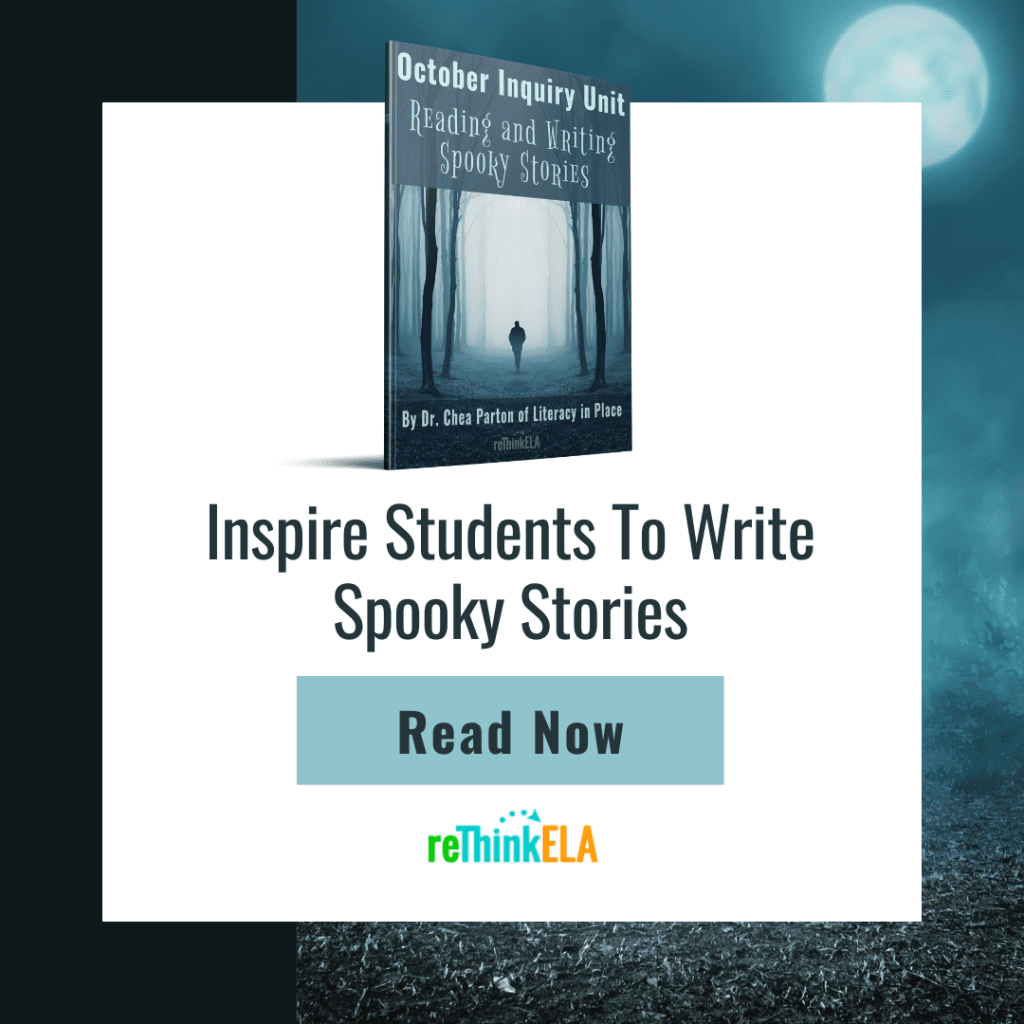
If you're not ready to think about students bounding around your classroom in their favorite Halloween costumes, you might want to skip this post for another week or two. But if you're wanting to plan ahead and leverage your students excitement to encourage them to write spooky stories, I strongly suggest you check out the new October Inquiry Unit I developed with Dr. Chea Parton, visiting assistant professor at Purdue University and author of Literacy in Place.
Yes, Halloween is on a Monday this year. Yes, that means students will be sneaking bags of candy into class all day long on Tuesday. Maybe even Wednesday.
But before you pack up your Expo markers and your teacher voice, consider what the entire month of October could look like if you had a done-for-you research- and standards-based unit in which students would read and write spooky stories.
I created a Halloween Bundle a few years ago with three scary short stories, but the October Inquiry Unit goes a few steps further. Students read and analyze the elements of literature that go into making a story spooky, but then use the fruits of their inquiry to create a multimodal representation of their findings to share with the whole school, but follow that research up with writing their own stories.
This is the the type of unit that will have your middle and high school students wanting to stay in your room at lunch to work on their projects.
If you're ready to learn more, just click the button below.
Between now and September 30, use coupon code SPOOKYINQUIRY to get 50% off the October Inquiry Unit!
You missed out!
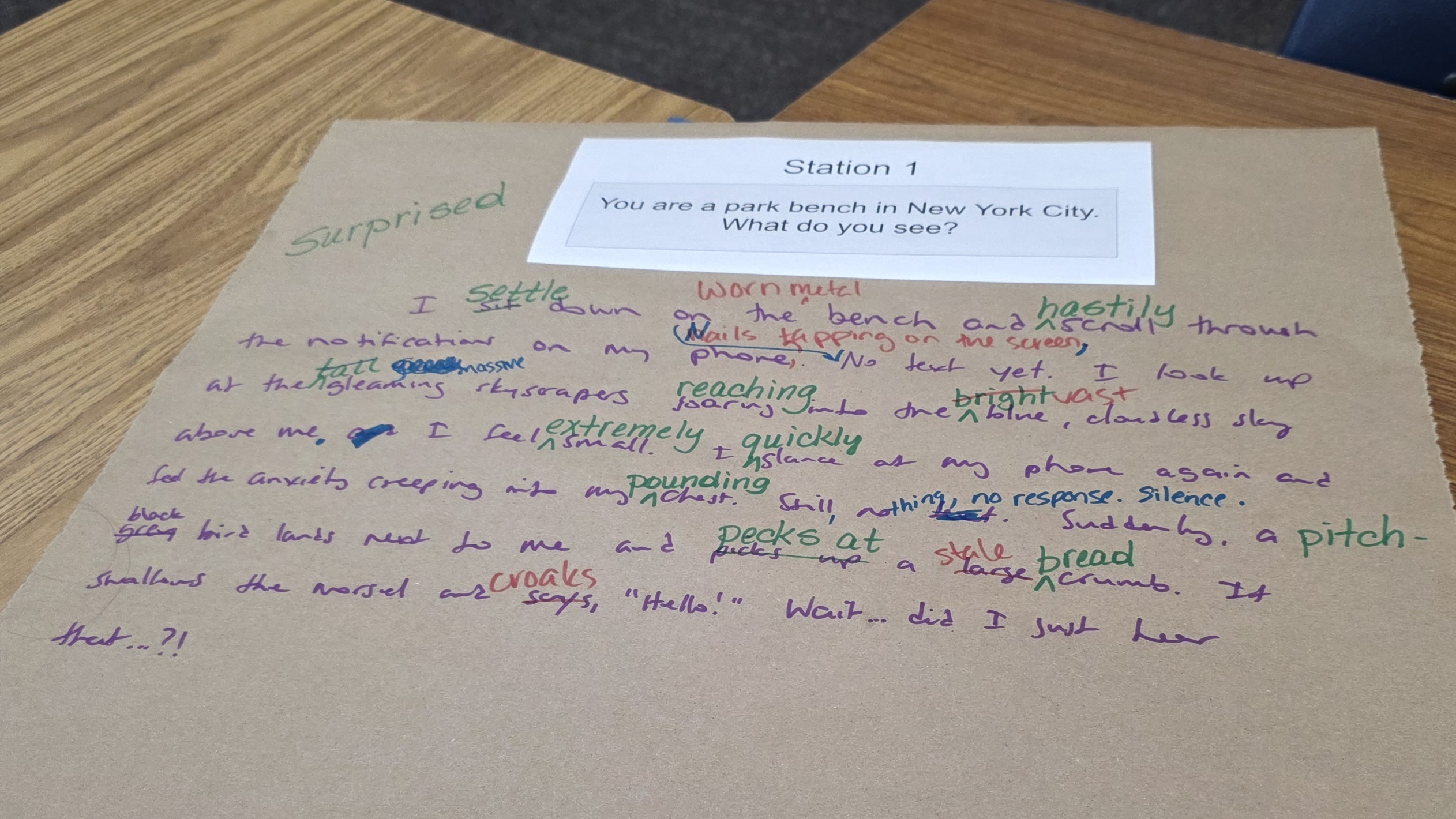
Not sure if this is the unit for you? Consider that in this genre study unit, students will analyze the language and writing craft of spooky stories, using them as mentor texts, to write their own spooky stories.
As part of their learning, they will (1) read independent books/stories as well as whole class texts; (2) create a giant puzzle piece that illustrates how their independent reading book/story uses plot structure and elements of language to create a spooky mood/tone; and (3) take their own spooky writing through the writing process for publication in the school library.
Dr. Parton has provided 35 pages of written instructions in the teacher’s guide, including daily calendars for all four weeks. daily step-by-step procedures, guides for conducting a book flood, reading and writing conferences and Socratic Circles, five mini-lessons, a student-written mentor text, and book cover examples.