
The idea of "going gradeless" in today's traditional schools is a new concept to parents but one that will ensure their children learn instead of simply learning for the sake of passing a test.
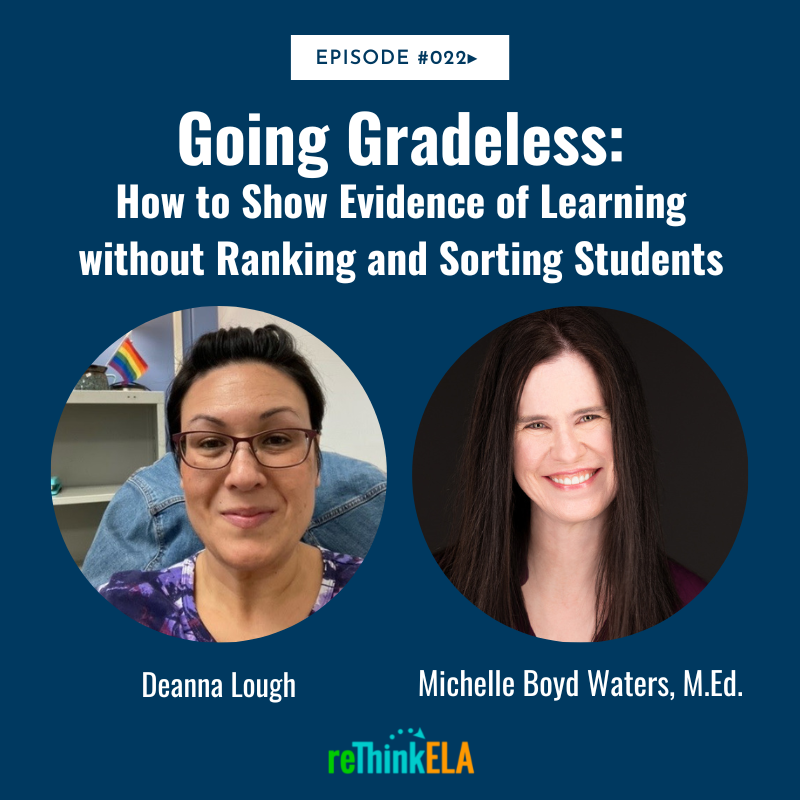
My guest is Deanna Lough who has taught for the better part of two decades, at both middle and high school levels. One consistency Deanna recognized was how stressed her students would become near the end of the quarter as they prepared for midterm testing.
Another problem that she witnessed among her teacher friends - herself included - was the burnout factor and the stress caused by having to apply a single grade to each student instead of assessing their overall improvement throughout the course of the school year. Throw in some unhappy parents calling and you have a formula for burnout.
Deanna is a huge proponent of going gradeless, which encourages a strong dialog between teachers and students. When students feel seen and heard, they are more likely to participate in the classroom discussion. And when parents fully understand the purpose of going gradeless, acceptance is generally high because ultimately, they want their children to learn.
Have you considered going gradeless but aren’t sure how to get started?
Deanna and I have more than a decade of combined gradeless experience at the middle and high school levels and we’ll be sharing more of our strategies and insights in an interactive virtual teach mPOWRED writers workshop at 2 p.m. Central on January 21. Bring your ideas, bring your questions, be ready to learn! But first, sign up for workshop notifications below.